Products
+


Since its establishment in 2011, Tianxian Digital Intelligence and its subsidiary Magzheng Intelligent have been operating in the field of magnetic displacement sensors in China for fifteen years. During these fifteen years, the two companies have not engaged in the game of chasing "the thinnest, the fastest, and the most extreme" parameters. Instead, their product line has expanded from absolute value magnetic grating encoders and incremental magnetic grating encoders to electro-vortex flow sensors, magnetic suspension flexible ring-shaped line encoders, grating encoders, and even magnetic ring encoders. This is not about creating a single product, but about building a complete non-contact magnetic measurement system. And the LPZS incremental magnetic grating encoder is the latest answer to this system on the "incremental magnetic grating" line.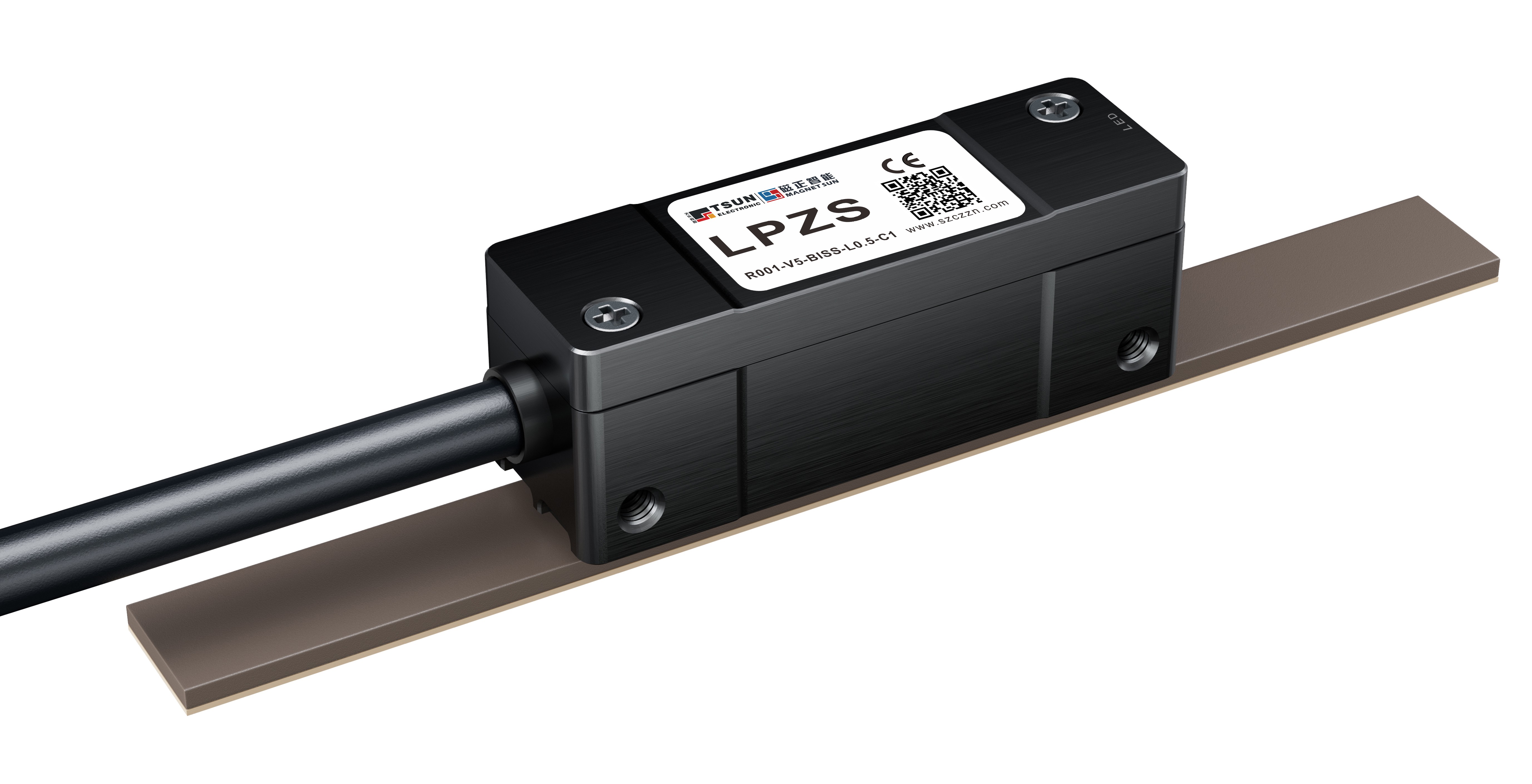
LPZS is not a "renamed version" of LPZ; rather, it is the "completed version" of LPZ. If LPZ initially addressed the "from nothing to something" issue - enabling domestic automation equipment to obtain an oil-resistant, vibration-resistant, and pulse-robust position feedback solution at a reasonable price. Then LPZS aims to solve the "from existing to stable" problem, rectifying the areas that were intended to be improved during the LPZ period but were limited by supply chain costs. This upgrade approach itself clearly demonstrates the point: it is not a sudden leap in parameters, but a comprehensive leap in engineering maturity.
The most worthy upgrade of LPZS should be found in the sealing of three engineering pain points. The first is the protection capability. Many encoders are labeled as IP67, but few actually dare to be installed in stone cutting machines, aluminum window processing equipment, and wet grinding machines because cutting fluids, water vapor, and dust are omnipresent. The digital conversion module of LPZS adopts a fully sealed design, with non-contact measurement between the magnetic ruler and the sensor, eliminating the risk of optical windows being contaminated and the progressive failure caused by mechanical wear. This means that in those harsh environments with high dust and high humidity, LPZS will not suffer from the chronic disease of "accuracy dropping by three months".
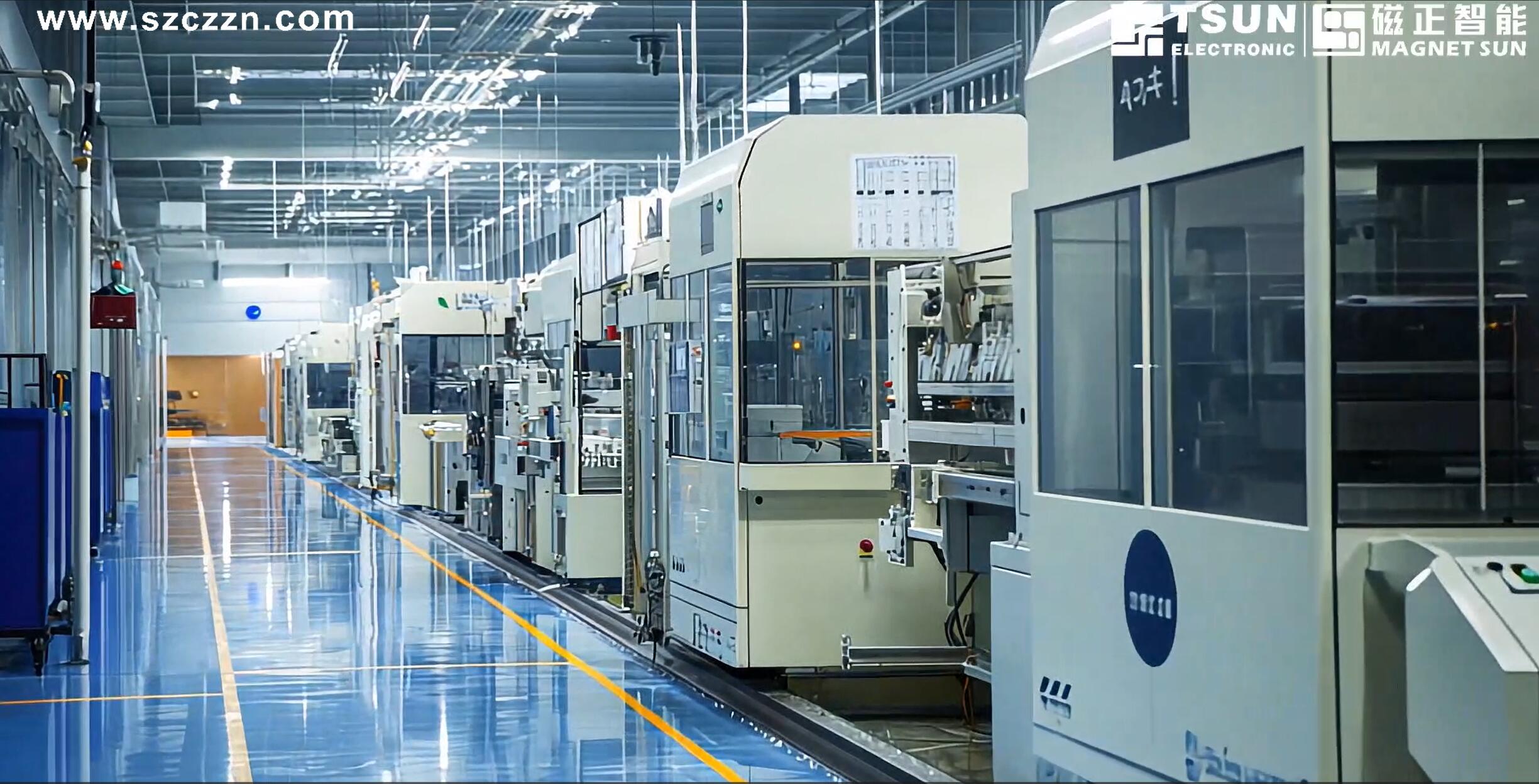
The second is high tolerance for gap. In scenarios such as linear motor modules, multi-motor systems, and long-stroke gantries, the accuracy of the installation brackets often fails to reach the textbook level. Traditional encoders are overly concerned about the installation gap; if it's too high, it loses the signal, and if it's too low, it damages the magnetic scale. LPZS has actively relaxed the gap requirements. This is not because the technology cannot be more strict, but because it understands a simple industrial fact: encoders should adapt to the machinery, not the other way around. Compromising on imperfect installation, but achieving results through equipment stability, this itself is a mature product philosophy.
The third is the flexibility of the origin output. LPZS supports both unique origin and periodic origin outputs, with one hardware corresponding to two control philosophies. The unique origin is for equipment such as machine tools, lathes, and grinders that require an absolute reference point; the periodic origin serves scenarios such as multi-motor variable torque motors and module assembly, allowing the controller to not manage an infinite coordinate. Combined with industrial standard RS422 differential signals, intelligent error LED indicators that allow maintenance personnel to quickly determine the working state, and bend-resistant and interference-resistant cables specifically optimized for cables and robot joints, LPZS has "on-site maintainability" engraved into the product's DNA from beginning to end.
When it comes to cost-effectiveness, the secret behind LPZS is not complicated: it is not the result of cutting corners for cheaper prices, but rather the natural outcome of the comprehensive product line layout of Tianxian Digital Intelligence and Magzheng Intelligent. With fifteen years of technical accumulation and a complete product matrix ranging from absolute values to incremental ones, the supply chain bargaining power, process reusability level, and mass production efficiency of LPZS far exceed those of single product lines. "High-end quality, mid-range price" has been the positioning since 2011 and has become the default starting point for their consideration of any new product. More importantly, flexible customization, rapid delivery, and prompt response are things that international brands cannot naturally achieve in the Chinese market. It's not that they don't want to do it, but their organizational structure and profit model do not allow it. If a customer requests changes in cable length, interface, or origin logic, samples will be provided within one week; if the customer's production line needs urgent replenishment due to a shutdown, the domestic warehouse will ship the goods on the same day; if the customer exports equipment to Southeast Asia, the Middle East, or Eastern Europe, they need a qualification certificate for the domestic component's domestic production rate. Tianxian can provide these domestic enterprises with the required information in a timely manner according to the customer's requirements. In the current complex international supply chain situation, this capability itself is a scarce resource.
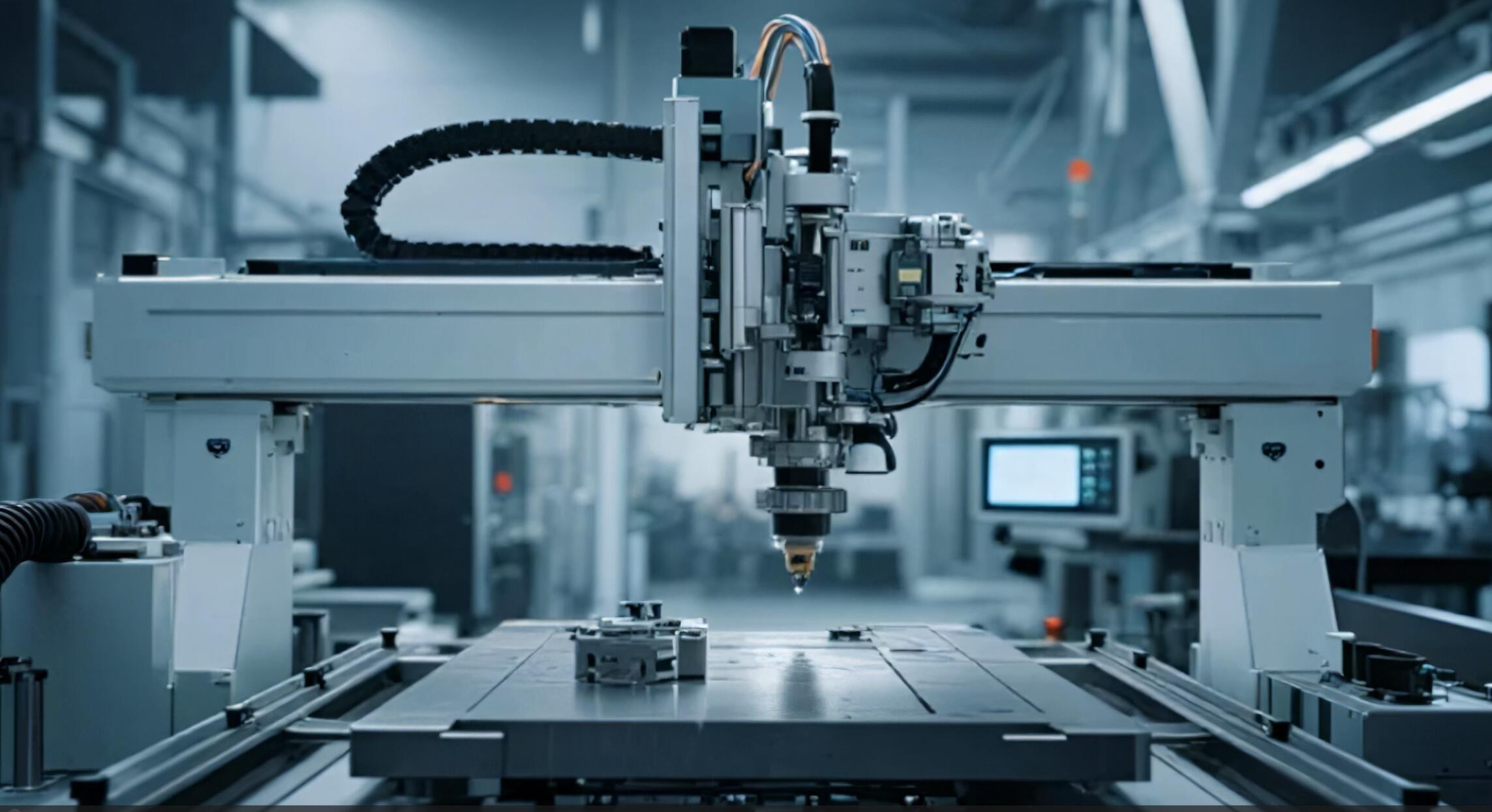
The application fields that LPZS targets cover manufacturers of linear motor modules, screw motor modules, system integrators, new energy, automobiles, lasers, industrial robots, semiconductor equipment, machine tool equipment, multi-motor variable torque motors, to stone, woodworking machinery, aluminum window processing machinery, printing equipment, and so on, almost covering all the active market segments for Chinese automated equipment exports. An automated equipment equipped with LPZS can not only gain cost advantages when exported, but also form differentiated competition in terms of supply chain response speed and local services.

Reviewing all the characteristics of LPZS - IP67 protection, high tolerance for gap, optional single or periodic origin, RS422 differential signal, intelligent error LED, bend-resistant cables, non-contact measurement, and any measurement length - you will find that it does not overwhelm its competitors with an exaggerated extreme parameter, but rather with a complete engineering solution, answering the most basic and core questions in industrial sites: Can your encoder ensure that my equipment runs stably all the time? In the competition of advanced manufacturing, what truly determines the outcome is often not those dazzling parameters written on the presentation slides at the press conference, but thousands of basic components running day after day without breaking down. The value of LPZS lies in this. It is not for show, but for being installed in equipment, proving itself millimeter by millimeter under the tests of oil stains, vibration, dust, moisture, and long-term operation.