Products
+


On October 22nd, the "Digital Engine - Linking the Future" 2026 JD Industrial Intelligent Sensing Industry Empowerment Conference, jointly organized by the Shenzhen Sensor Association and JD Digital Industry Technology, was successfully held at the Guangming Phoenix Square in Guangming District, Shenzhen. The vice president of JD Group, the leading officials of the Industrial and Information Technology Bureau of Guangming District, and the Guangming Science and Technology Investment Company attended the conference and delivered speeches.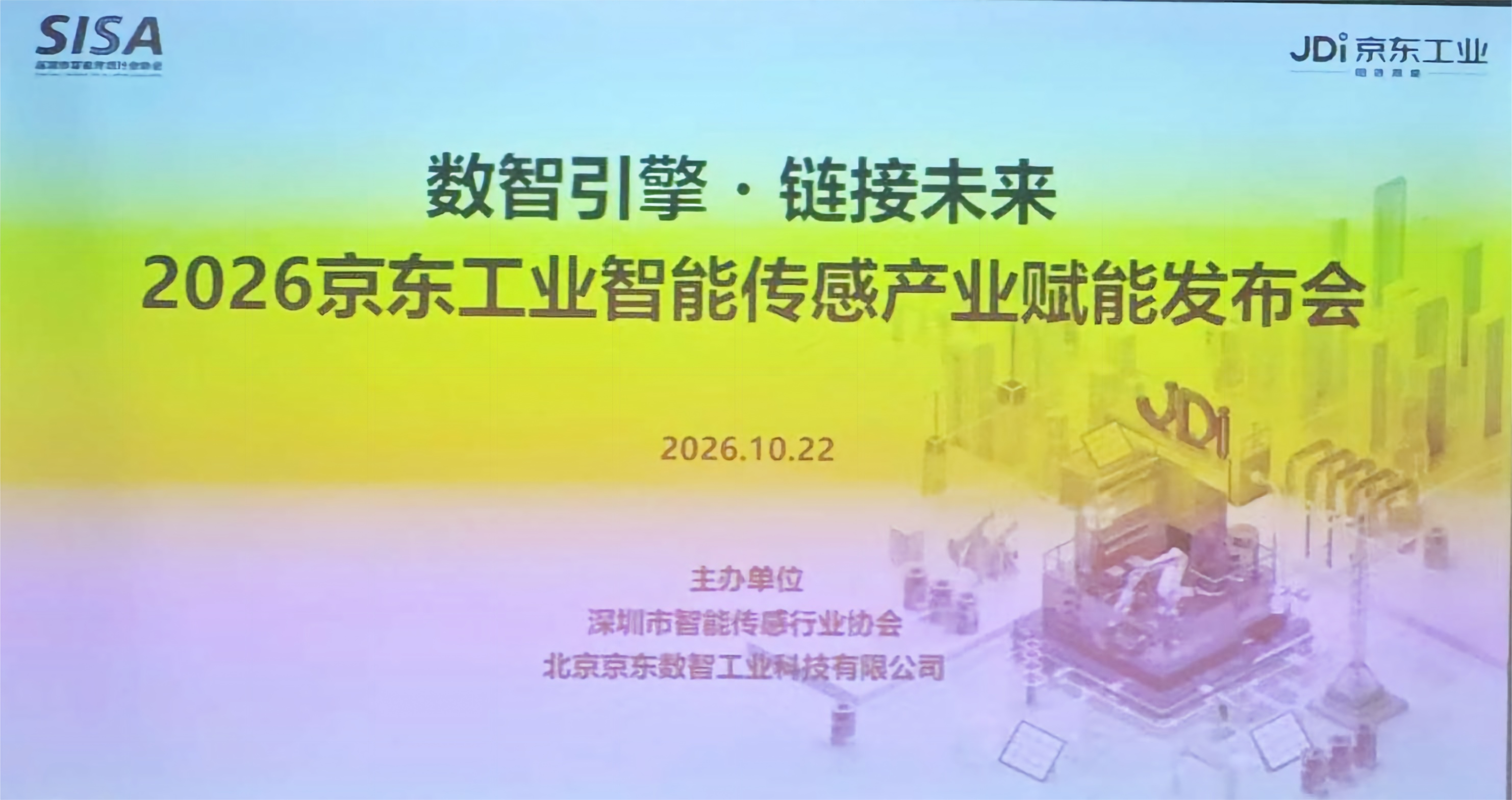
Tianxian Dizhi, as a supervisory unit of the Shenzhen Sensor Association, was invited to attend this conference. This conference has a straightforward name - "Digital Intelligence Engine", referring to this engine of digitalization and intelligence; "Linking the Future", referring to the connection. For those involved in sensor production, these two words are not unfamiliar, and one could even say that this is what we do every day. One conference, discussing how sensors can be integrated into industrial intelligence.
The press conference began with a theme introduction by JD Industrial, covering the company's overview, exploration of cooperation directions, JD Industrial's international supply chain capabilities, Taopu solutions, and industrial big model capabilities. From supply chain to solutions, and then to big model capabilities, JD Industrial clearly explained what the "platform side" can provide.
Next, several sensor industry benchmark enterprises, including Tianxian Dizhi, respectively detailed the current development situation of their enterprises and multi-scenario solutions.
Tianxian Dizhi Technology (Shenzhen) Co., Ltd. was established in 2011 and is a national high-tech enterprise. Shenzhen Magizheng Intelligent Technology Co., Ltd. is its wholly-owned subsidiary. Both enterprises are leading enterprises in the domestic magnetic sensor field, and both focus on the research, production, and sales of advanced displacement sensors and industrial control systems. The products cover absolute value magnetic scale encoders, incremental magnetic scale encoders, eddy current sensors, Hall sensors, magnetic suspension ring-type absolute value magnetic scale encoders, grating encoders, magnetic ring encoders, magnetic displacement measuring instruments, magnetic scale intelligent digital meters, etc. The products are mainly applied to linear motor modules, screw rod modules, system integrators, intelligent manufacturing and automation equipment, as well as new energy, automobiles, lasers, industrial robots, semiconductor equipment, machine tool equipment, multi-motor variable speed motors, printing equipment, and other fields.
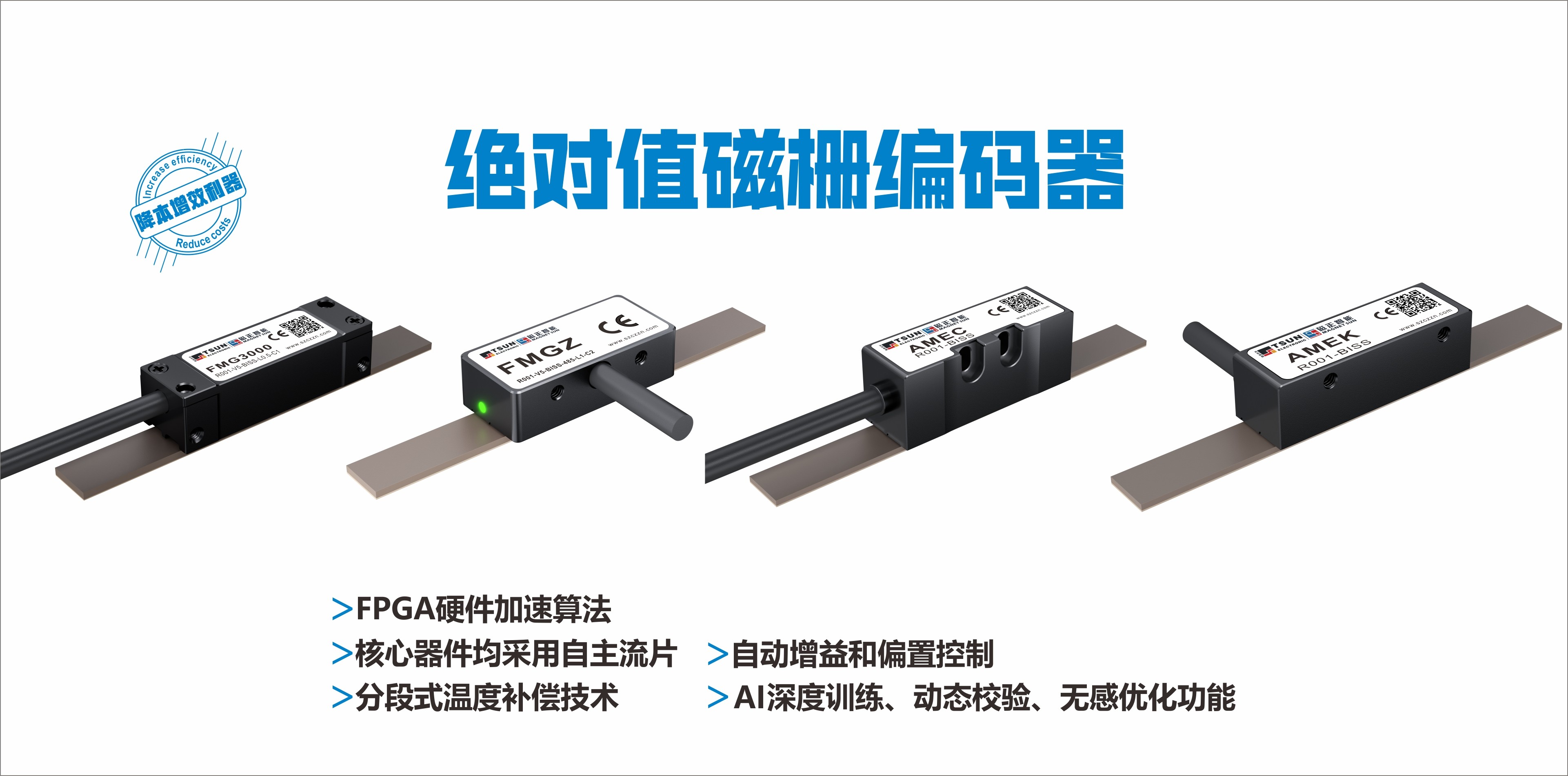
At the meeting, the fact that Tianxian Digital Intelligence was the first to achieve a domestic replacement of imported absolute value magnetic encoder in China was once again mentioned. For a company that has been in operation for fifteen years, this is both a achievement and a path that has been traversed but still needs to be continued.
Finally, the participating enterprises of the Sensor Association and JD Industrial had in-depth exchanges on the feasibility of deep cooperation and jointly promoting the advancement of China's industrial intelligence to a higher level. The content of the exchange was very practical: what capabilities does the platform have, what products do the enterprises have, where can they connect, and how to connect. Sensors are the "peripheral of perception", and if they cannot connect to the ecosystem, they cannot go far.
The most worthy point of this meeting is not who were the leaders present, nor what was said by whom, but that it brought up a problem on the table: How can domestic sensors be integrated into the industrial intelligence ecosystem?
The magnetic sensor industry is about the "peripheral of perception" of industrial equipment. Absolute value magnetic encoder, eddy current sensor, Hall sensor, these names sound tough, but the focus is very specific - linear motor modules need to know where they are, screw motor modules need to feedback position, semiconductor equipment, laser equipment, industrial robots need precision, stability, and anti-interference. The accuracy and stability of an encoder often represent the rhythm and yield of the entire production line.
But no matter how good the product is, if it is only sold independently, its value is limited. When equipment manufacturers make selections, they need to be able to find and compare; when integrators make plans, they need to be able to match and operate; the supply chain needs to be able to supply stably and deliver quickly; and further out, someone has to help bring domestic components into the vision of the international market. These matters cannot be accomplished by a single sensor enterprise working on products alone.
Therefore, Tianxian Digital Intelligence attending this meeting is not just for showing up. Whether it can connect with platform-type and supply chain-type partners largely determines how far domestic sensors can go. After completing one step of domestic substitution, ecological collaboration is the next step. Tianxian Digital Intelligence / Magnetic Correct Intelligence takes "helping Chinese manufacturing go to the world stage" as its mission, closely follows the global industrial control development trend, and unswervingly follows the path of independent innovation. This sentence is usually written in the introduction, but in such an occasion, its weight is somewhat different.
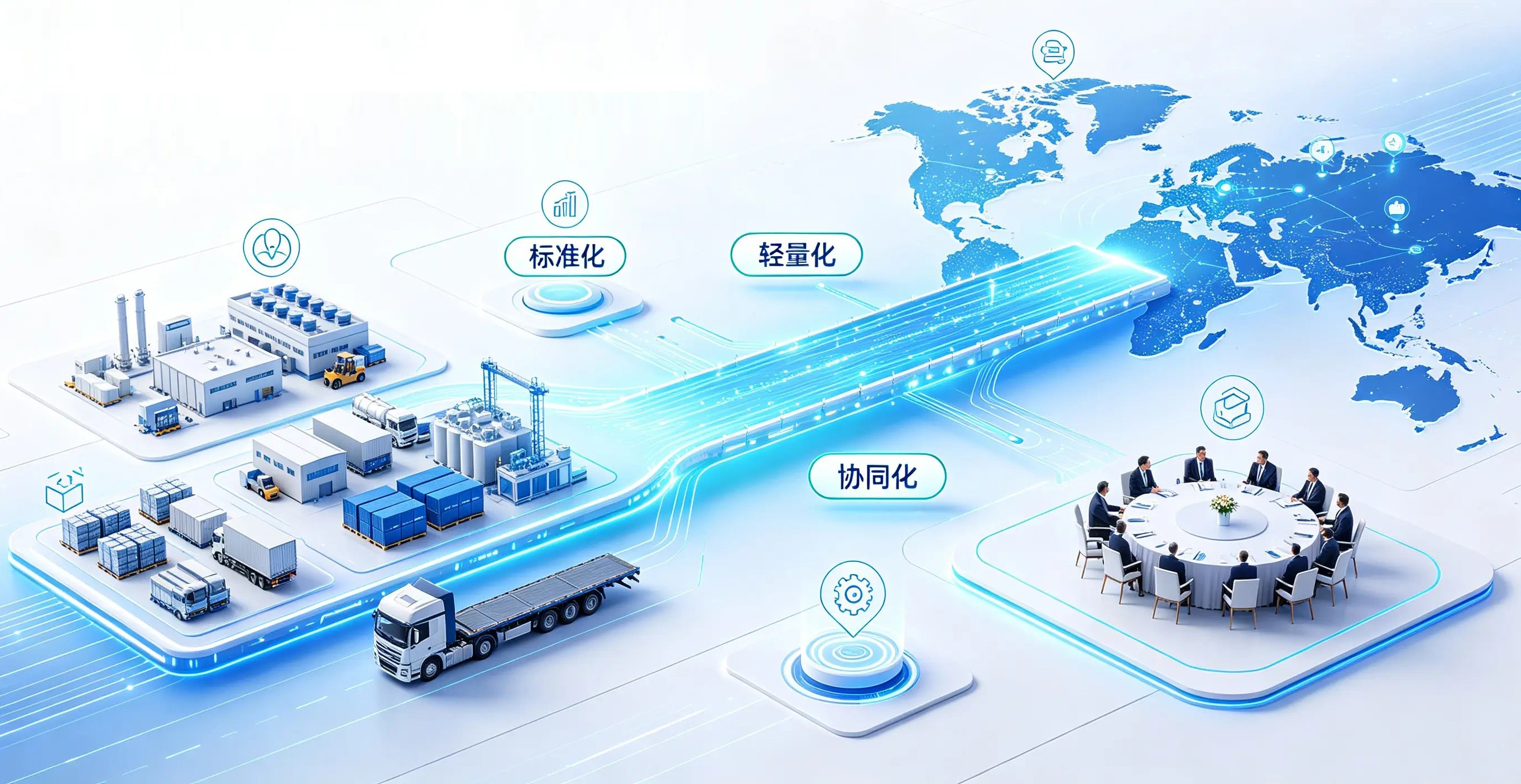
We have already accomplished the domestic substitution of absolute value magnetic encoder for imports in China. This was a step we have taken. It took many years and was achieved through continuous efforts in research and development, production lines, and on-site debugging. The next step is to integrate our products into a larger industrial ecosystem - connecting with platforms, supply chains, system integrators, and end equipment manufacturers. Make sure that domestic sensors are not only "usable", but also "easy to use, willing to use, and willing to continue using".
A press conference cannot solve all problems, but the direction is clear: digitalization and intelligence are the engines, connection is the method, and the future is something we will achieve together.