Products
+


By 2026, more than half of the year had passed. Looking back at the journey that FMG512 has taken over the past few months, I felt quite emotional. When we first developed it, we were very clear in our minds: it wasn't the one with the loudest voice in the market, but it was definitely the one that best understood the meaning of "value for money". Over the past year and a half, the FMG512 has been integrated into the equipment of many customers, ranging from semiconductors to lasers, from machine tools to new energy, from automated production lines to multi-motor variable torque drives. We watched as it was installed, ran, and continuously output data day after day. That sense of Relaxing, which can only be felt by those who make products, is something we can truly appreciate.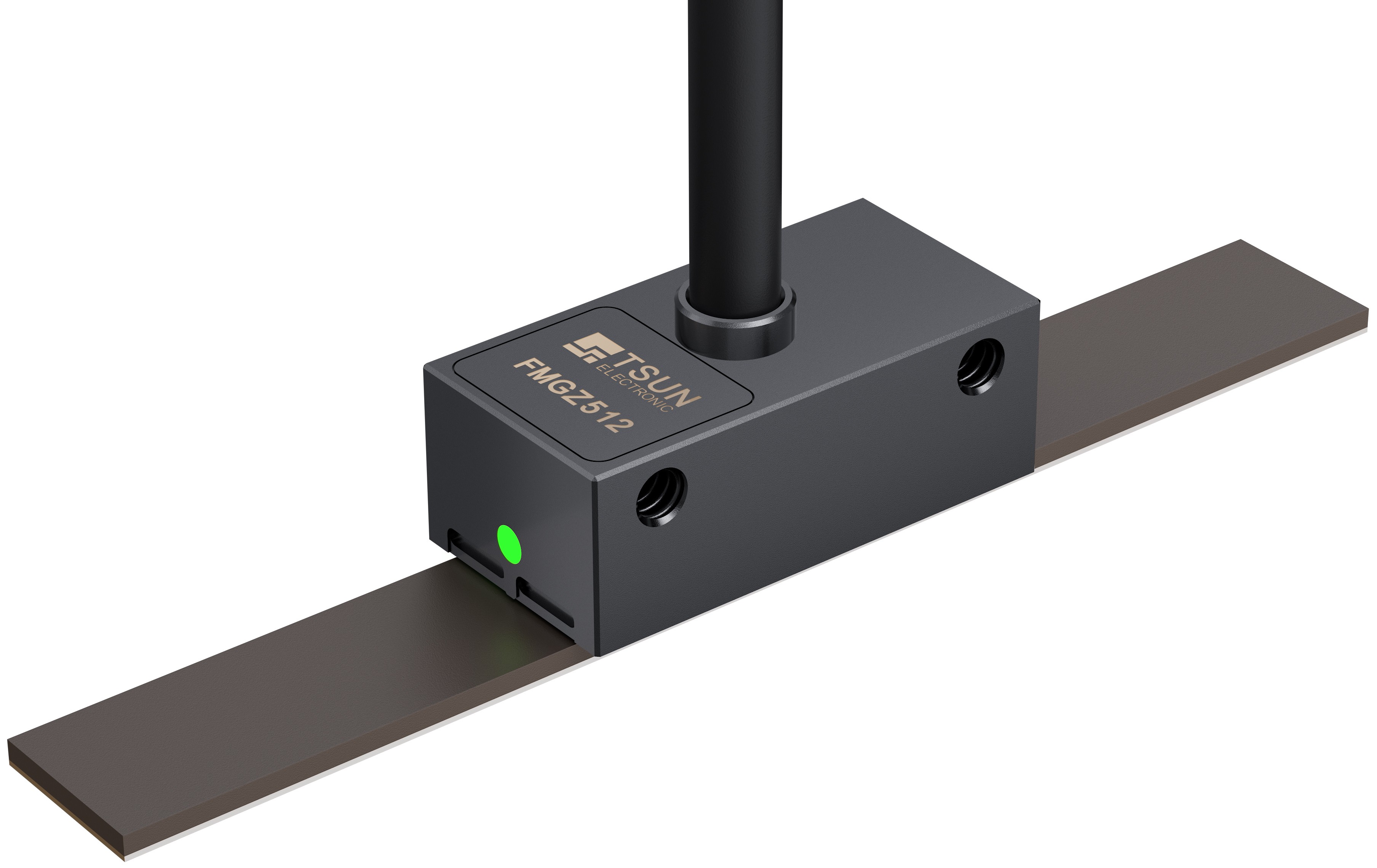
However, we are also aware that no product can remain stagnant. Since the launch of FMG512, the back-end has been receiving various feedbacks. Some say it's good, some say it's sufficient, and there are also those who say "It would be better if it could be more accurate." Especially from the old customers in the semiconductor packaging, laser cutting, and high-end machine tool industries, their requirements for precision have become increasingly stringent year by year. It's not because they are picky, but because their customers are becoming more and more demanding. For the equipment they produce, to whom are they selling? To those who make chips, battery power, and precision molds. What do those people want? It's the stability to the third decimal place.
So we asked ourselves a question: Can FMG512 take one more step forward? This question was asked for over half a year. Because changing the precision is not just about changing a number; it involves the entire underlying design of the magnetic scale and the entire set of signal processing logic. But in the end, we still decided to do it. Not because we wanted to add another selling point on the parameter table, but because we thought the old customers deserved a better version. Thus, there was FMGZ512.
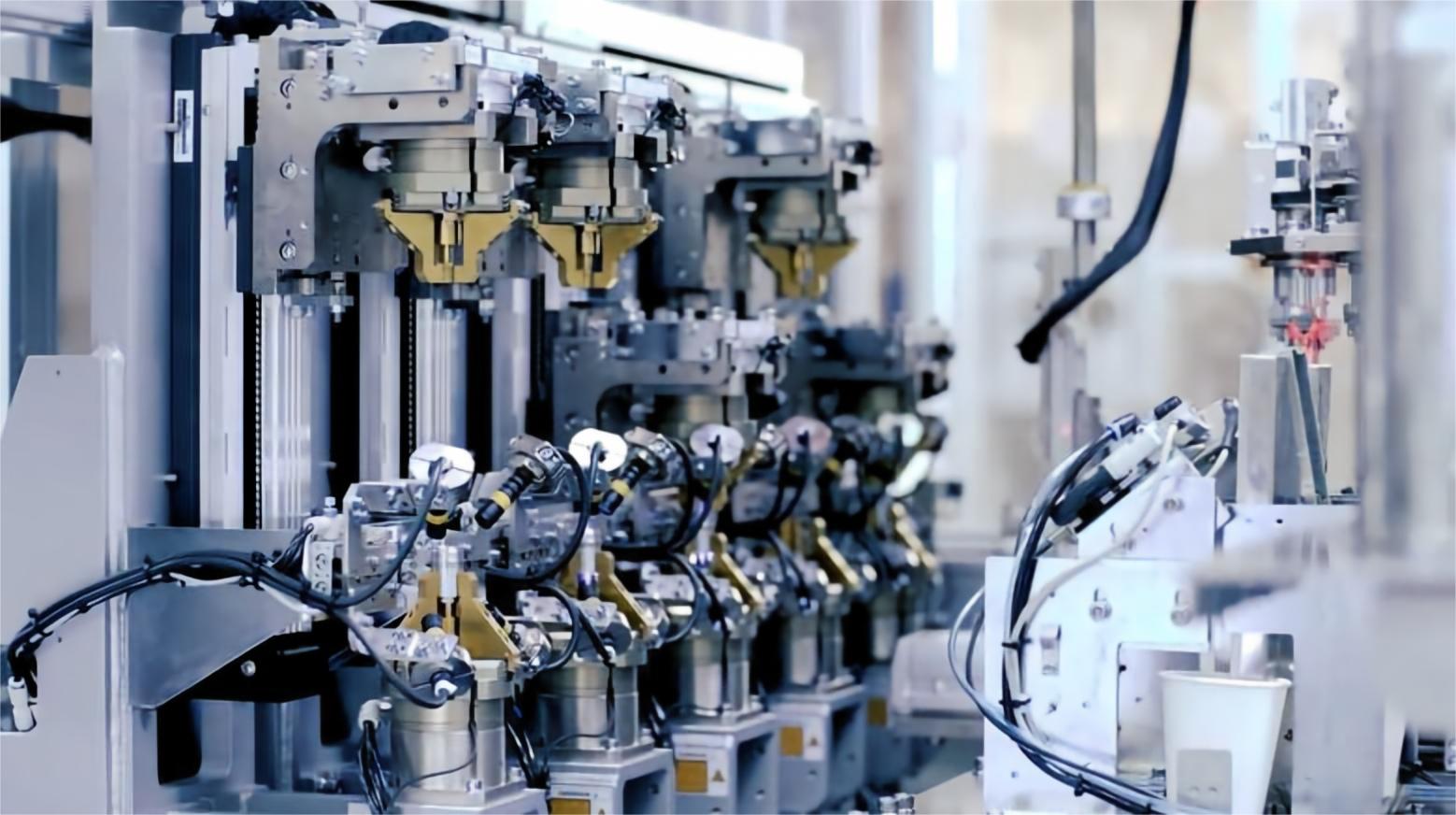
When many people see the addition of a "Z", they might think it's just a minor facelift. In fact, the core changes of FMGZ512 occur almost entirely in the invisible parts. Its magnetic encoder scale retains the 2mm pitch incremental code channels, but the absolute value encoding code channels have been redesigned. Both the resolution and the system accuracy have been improved. On the wafer handling axis of semiconductor equipment, in the height follow-up control of the laser cutting head, and in the feed mechanism of the precision grinding machine, the micrometer-level gap is not a digital game at the parameter level, but a real distance that improves the yield rate from 93% to 97%. Beyond the accuracy, we also made two adjustments at the communication end. The maximum clock frequency of SSI communication has been increased from 1MHz to 2MHz. For old customers who are using high-speed motion control cards, the data refresh rate has doubled directly, and the closed-loop response is more responsive. At the same time, a BiSS-C protocol option has been added, providing an additional option for those customers who encounter compatibility issues when using imported drivers and PLCs. Throughout the process, the FPGA hardware acceleration algorithm remained unchanged, the output of the absolute position after power-on within 350ms remained unchanged, the logic of segmented temperature compensation and automatic gain bias control remained unchanged - these were the fundamentals of the FMG series. We ourselves think they are fine, and the old customers have not raised any objections, so let it continue to hold firm.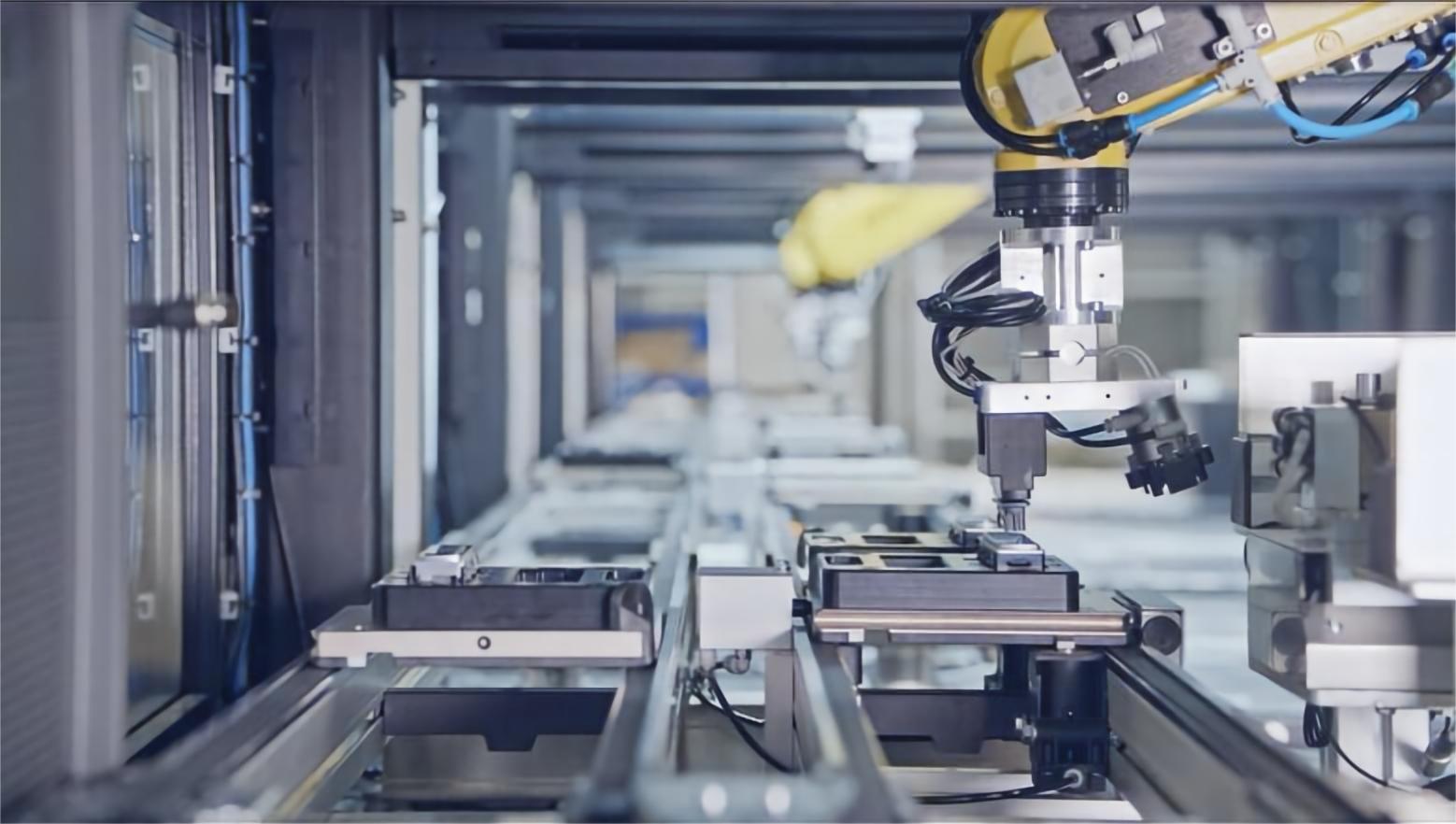
To be honest, during the more than one year since the transition from FMG512 to FMGZ512, we never once considered replacing the older model. The FMG512 is still in production, still available for sale, and still serving those scenarios that do not have extremely high precision requirements but are very sensitive to cost. The FMGZ512 is not meant to replace anyone; it is designed to offer more options to those old customers who require higher precision but do not want to significantly increase their budget. The installation dimensions, interface definitions, and SSI protocols are all retained. Customers who have been using the FMG512 on the production line can upgrade without having to modify any mechanical structure; they just need to remove the old one and install the new one. This is our basic respect for our old customers.
We have been making sensors for over a decade, and our biggest realization is that the customers in this industry are actually very understanding. They don't expect you to constantly create big news, or have more lively press conferences than mobile phone manufacturers. All they want is one thing - something that works stably, measures accurately, and doesn't break. As long as you achieve this, they will keep using your product and even actively introduce it to their peers. This is how FMG512 has progressed over the years, and FMGZ512 will do the same.

So after some thought, we decided not to list too many rules and regulations. The functional points, performance parameters, and comparison tables are all available on the official website and also at the sales manager's office. Today, we just want to say something heartfelt to our old customers: We have carefully recorded every piece of feedback you have provided. We have made all the necessary improvements and optimizations. The installation method remains the same, and the usage habits have not changed. It has simply become better. It is now more suitable for the increasingly sophisticated tasks you are undertaking.
The FMGZ512 is now available for order. If you are still using the FMG512 and it is working well for you, there is no need to rush to replace it. We will always be here. Let's look forward to the arrival of more excellent products together!