Products
+


The sun in June is scorching and bold. Looking ahead from the midpoint of the year, the market landscape for the second half of the year is both full of tension and orderly. AI hardware drives the demand curve for semiconductor equipment, humanoid robots outline the contours of the next generation of intelligent equipment, and new energy manufacturing continuously provides a stable foundation. At this moment, the framework of China's industrial automation has never been as clear and passionate as it is today. For Tianxian Digital Intelligence and Magenzhi Intelligent, the market panorama unfolding before them is not a smooth and straightforward path, but rather a complex and tense market picture with layered demands, technological competition, domestic substitution, and emerging sectors resonating with each other. In the second half of 2026, this industrial transformation driven by multiple forces is bringing "precision measurement" from a behind-the-scenes occupation to the center of the stage.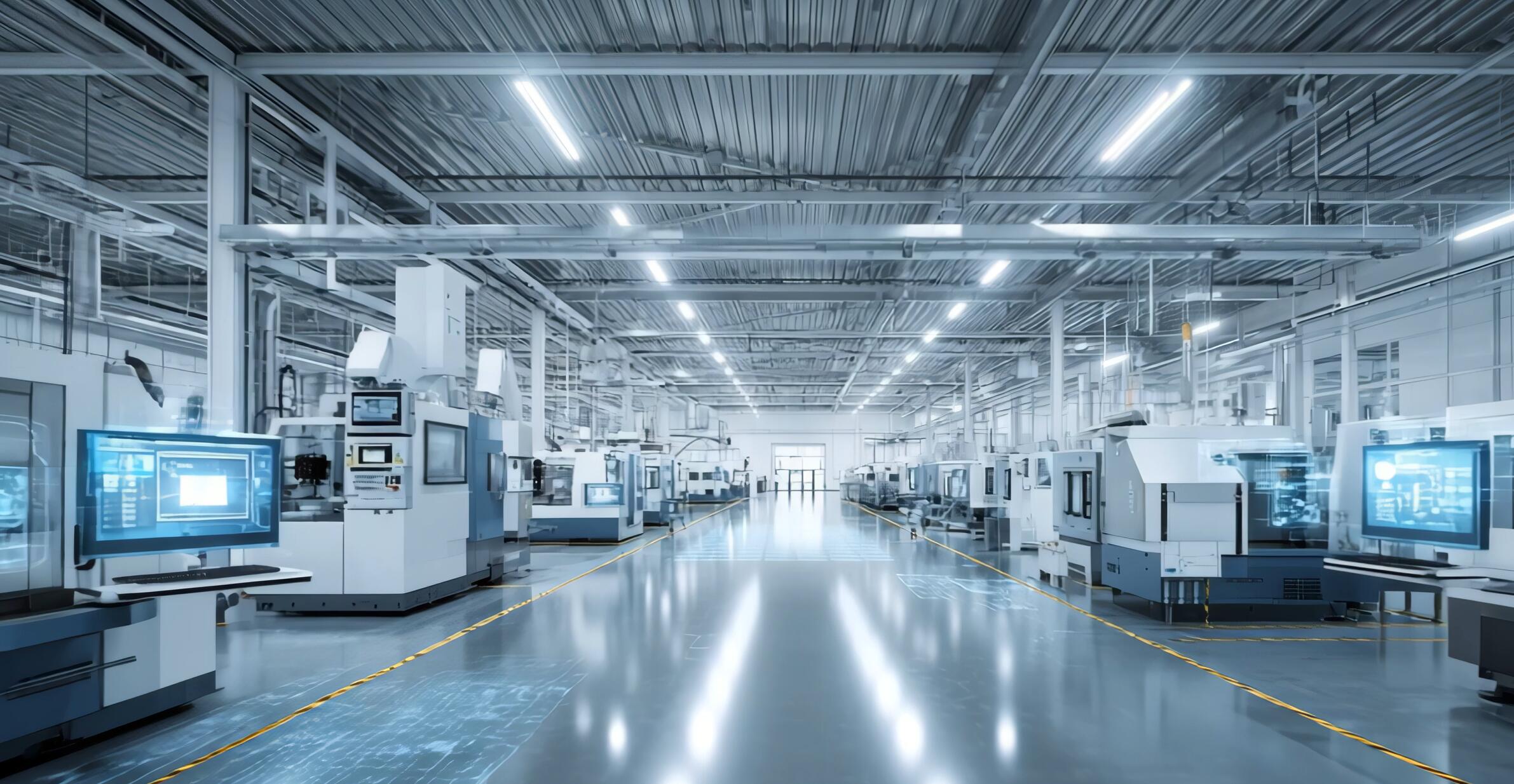
After a three-year lull, the gears of the industrial control industry have started to accelerate again.
The most notable signal at the macro level is that the industrial control industry, after a long period of adjustment, has finally entered a certain degree of upward growth cycle. The bottoming-out and recovery in 2025 were verified in the first quarter of 2026. The OEM market saw a growth rate increase of over six percentage points, and the orders of leading domestic enterprises increased by more than 40% year-on-year. These figures reflect a fact: the expansion intentions of downstream equipment manufacturers are recovering.
This recovery is not simply a matter of restoring the base. The underlying driving force comes from the resonance at three levels - the large-scale project dividends released in the first year of the 15th Five-Year Plan, the capital expenditure boom represented by AI hardware, and the rigid demand for the renewal and replacement of existing equipment. Many research institutions have judged that the sustainability of this prosperity cycle will be significantly stronger than before, and high activity is expected to continue until 2027 and beyond. For core upstream components such as displacement sensors, this means that a stable and continuous demand window is opening up.
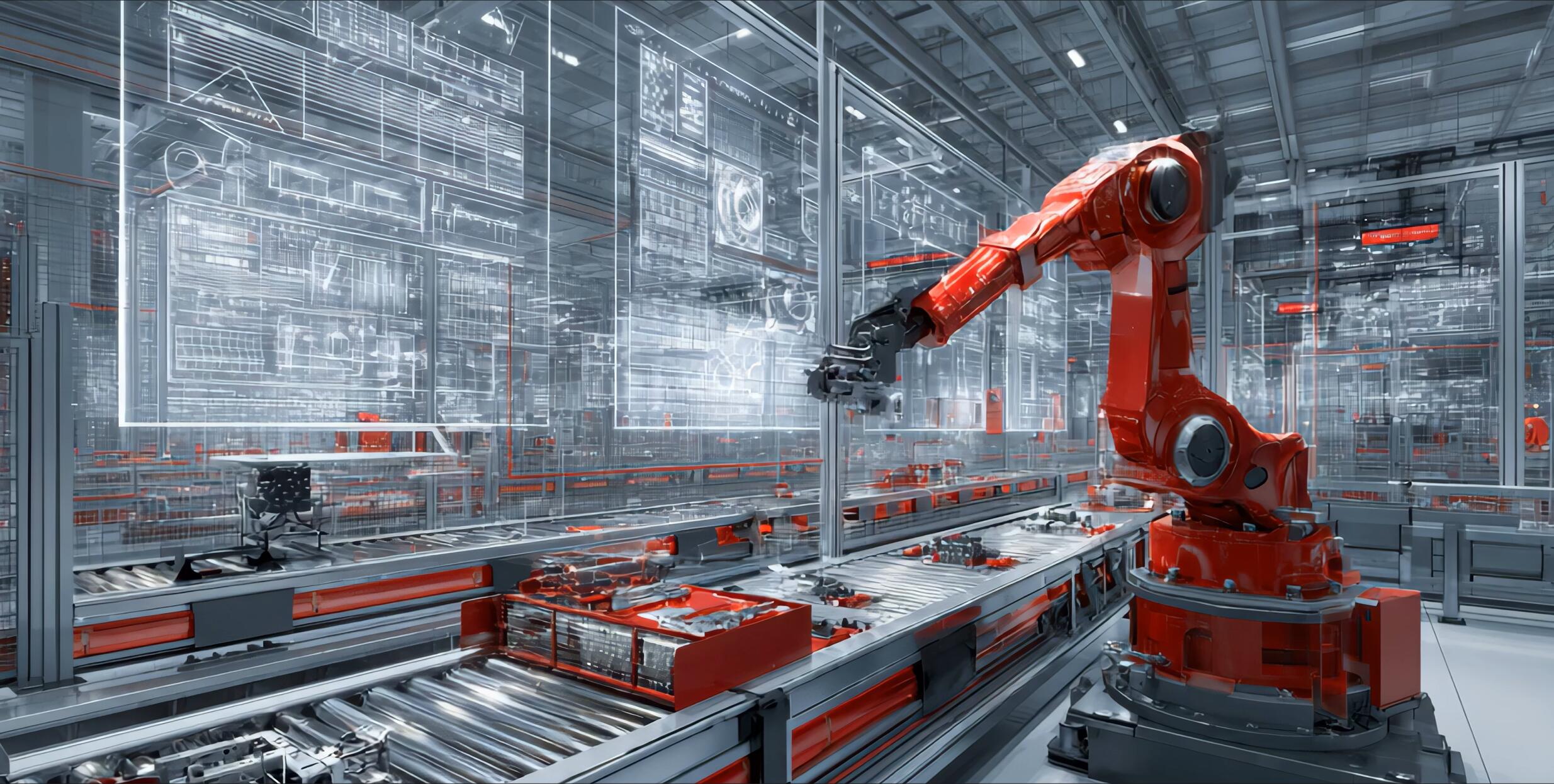
The demand structure has quietly shifted, and the three major tracks have become the main engines of growth.
What is even more intriguing is the alternation of hot and cold within the industrial structure. Traditional project-based markets such as infrastructure and petrochemicals have shown relatively stable performance. It is those emerging tracks that truly ignite the growth engines. If we focus our attention on the most dynamic sub-sectors in the industrial control field, three directions stand out particularly: semiconductor equipment, humanoid robots, and the new energy manufacturing that is currently in the window period of technological iteration. These three together constitute the core increment pool of displacement sensor demand in the second half of 2026.
The domesticization process of semiconductor equipment is advancing at an unprecedented speed. The domesticization rate of front-end equipment is less than 20%, which sounds like a gap, but for upstream component suppliers, this is precisely the space. The explosive growth of AI computing power demand directly drives the expansion of data centers, which in turn propagates to the semiconductor manufacturing end. The motion control system inside every etching machine, every film deposition equipment, and every inspection machine cannot do without high-precision displacement feedback. The value of grating encoders and high-precision magnetic grating encoders in this field is changing from an "optional" choice to a "mandatory" choice. More importantly, the semiconductor equipment market has a very strong technological endorsement effect - a breakthrough in one case often means the entrance ticket for the entire track.
The encounter with the humanoid robot market has a certain sense of the mark of the times. 2026 is generally regarded by the industry as the turning point when humanoid robots move from prototypes to mass production. The expected release of Tesla's new generation products, the accelerated advancement of domestic companies such as iRobot, Xiaomi, and Xiao Peng, has made the delivery volume of tens of thousands of units a reality. And the demand for displacement sensors for a full-sized humanoid robot is in units of dozens - joint angle feedback, force perception, position detection, each link is deeply bound to encoder products. The special feature of this market is that it has put forward new requirements for sensors in terms of miniaturization, lightweight, and high integration, which precisely are the technical发力points of magnetic ring encoders and absolute value magnetic grating encoders. The current competitive landscape has not yet solidified, and the "shrinking circle" process of the supply chain is taking place. Whoever can complete the sample testing and breakthrough at this stage will occupy an irreplaceable position in the robot supply chain in the coming years.

The manufacturing of new energy sources presents different demand patterns. The pilot production lines for solid-state batteries in the lithium battery sector and the new round of expansion cycles, as well as the technological route iterations in the photovoltaic sector, jointly drive the upgrading of the demand for displacement measurement solutions. The micro-micron-level detection of battery electrode sheet thickness, the alignment control during winding processes, and the focus positioning in laser cutting – these scenarios no longer require standardized single products, but rather system capabilities that can deeply understand the process pain points and provide targeted measurement solutions. The unique advantages of eddy current sensors in non-contact thickness measurement have found their natural application ground here.
The opportunity lies in: The golden window for domestic displacement sensors is opening up.
By connecting all the clues, a clear picture emerges: In the second half of 2026, the demand structure in the Chinese industrial control sector is shifting from "general replacement" to "scenario customization". This means that enterprises that merely provide standard encoders will face increasingly fierce price competition, while suppliers with a deep understanding of industry processes and the ability to provide overall solutions will gain genuine premium space.
This is precisely where Tianxian Digital Intelligence and Magenzhi Intelligent Technology are located. A dedicated research and development team of over twenty people, with years of accumulation in the field of non-contact magnetic measurement, covers a complete matrix of multiple product lines such as absolute value, incremental, eddy current, optical grating, and magnetic rings – these elements combined form a highly scarce capability in the current market environment: not selling a single part, but providing full-process technical support from selection, adaptation to mass production follow-up for specific customer application scenarios. This capability is confidence in the high-precision requirements of semiconductor equipment, a solution in the small-sized challenge of robot joints, and a partner in the process pain points of new energy manufacturing.
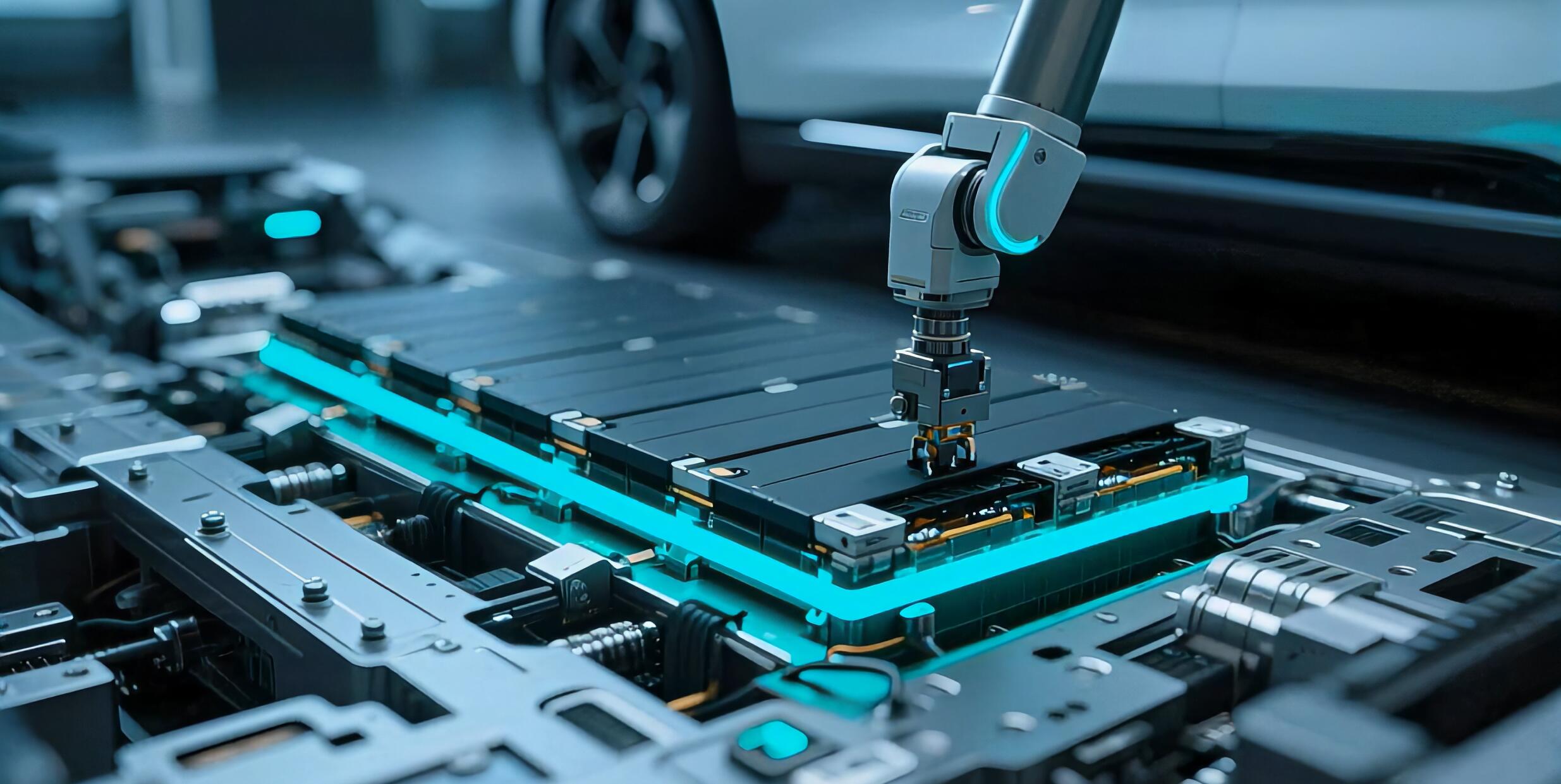
For many enterprises that have been deeply engaged in the industrial control field for many years, this is not a trend to chase, but an inevitable encounter. When the demand levels of the industry and their own technical accumulation coincide at the same time point, the next chapter will no longer be about waiting for opportunities, but about getting involved and taking action.